
How to Find a Real Gemstone?
Gemstones have fascinated humans for centuries because of their beauty, rarity, and spiritual significance. Many people buy gemstones not only for jewelry but also for astrology, healing, and personal energy balance. However, with the increasing demand for gemstones, the market is also filled with fake, synthetic, and treated stones. Because of this, knowing how to find a real gemstone is extremely important before making a purchase.
In this guide, you will learn practical methods, expert tips, and professional techniques to identify genuine gemstones. Whether you are buying gemstones for astrology or jewelry, these tips will help you make a safe and confident decision.
Why It Is Important to Buy Real Gemstones
A real gemstone has natural energy, durability, and value. Fake or synthetic stones may look similar but they do not carry the same qualities.
Here are some reasons why identifying real gemstones is important:
- Astrological effectiveness – In astrology, only natural gemstones are believed to influence planetary energies.
- Long-term value – Natural gemstones maintain their value over time.
- Durability – Genuine stones are stronger and last longer.
- Authenticity – Real gemstones have unique natural patterns and characteristics.
Because of these reasons, buyers should always verify the authenticity of a gemstone before purchasing it.
Thing to remember for How to Find a Real Gemstone

1. Check the Gemstone Certification
The first and most reliable way to verify a gemstone is through gemstone certification. Certified gemstones are tested by professional gemological laboratories.
A gemstone certificate usually includes:
- Gemstone name
- Weight (carat)
- Color
- Cut
- Clarity
- Origin
- Natural or treated status
Always buy gemstones that come with certification from trusted laboratories like:
- GIA (Gemological Institute of America)
- IGI (International Gemological Institute)
- GII (Gemological Institute of India)
A certificate ensures that the gemstone has been scientifically examined and verified.
2. Observe the Color of the Gemstone
Color is one of the most important indicators of a real gemstone.
Natural gemstones usually have slight color variations, while fake gemstones often appear too perfect.
For example:
- Natural gemstones may show uneven color distribution.
- Fake stones usually have uniform and overly bright color.
- Natural stones often have a soft and deep tone rather than a neon shine.
If the color looks extremely bright and perfect, it could be a synthetic stone.
3. Look for Natural Inclusions
One of the easiest ways how to Find a Real Gemstone is by checking inclusions.
Inclusions are tiny internal features inside a gemstone formed during its natural creation process.
Examples of inclusions include:
- Small mineral particles
- Tiny cracks
- Cloudy patterns
- Natural lines
A completely flawless gemstone is very rare in nature. If a stone looks perfectly clear without any inclusions, it may be synthetic or glass.
Professional gemologists use magnifying tools like 10x loupe to examine inclusions closely.
4. Perform the Scratch Test Carefully
Another method used to identify genuine gemstones is the scratch test.
Natural gemstones have higher hardness compared to fake stones. Hardness is measured on the Mohs Hardness Scale.
For example:
- Diamonds rank 10 on the Mohs scale.
- Sapphires and rubies rank 9.
- Quartz ranks 7.
A real gemstone can scratch materials with lower hardness but cannot be scratched easily itself.
⚠️ Important Note:
The scratch test should be performed carefully by professionals because it may damage the stone.
5. Check the Weight of the Stone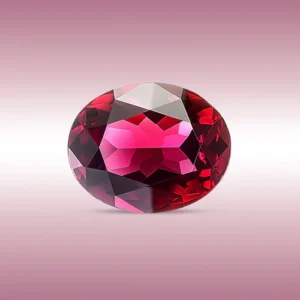
Real gemstones usually feel heavier than fake stones made from glass or plastic.
Natural gemstones have higher density, which gives them noticeable weight.
If you compare two stones of the same size:
- The real gemstone will feel denser and heavier.
- The fake gemstone will feel lighter.
Although this method is not completely accurate, it can still give you an initial clue.
6. Examine the Cut and Clarity
Professional gemstone cutting enhances the beauty of the stone while maintaining its natural structure.
Real gemstones usually have:
- Sharp and well-defined edges
- Balanced symmetry
- Natural internal patterns
Fake stones often have:
- Rounded or poorly cut edges
- Air bubbles
- Artificial shine
If you see tiny air bubbles inside the stone, it is likely made of glass.
7. Use the Fog Test
The fog test is a simple method that can be done at home.
Steps:
- Hold the gemstone near your mouth.
- Breathe gently onto the stone like you are fogging a mirror.
- Observe how quickly the fog disappears.
Results:
- Real gemstones disperse heat quickly, so the fog disappears almost instantly.
- Fake stones retain moisture, so the fog stays for a few seconds.
- This happens because real gemstones have better heat conductivity.
8. Test Under Natural Light
Natural light can reveal many hidden features of a gemstone.
When examiningHow to Find a Real Gemstone:
- Look at it under sunlight.
- Rotate the stone slowly.
- Observe how the light reflects.
Real gemstones produce deep and complex reflections, while fake stones may show flat or overly shiny reflections.
Some gemstones also show unique optical effects such as:
- Color change
- Star patterns
- Cat’s eye effect
These natural phenomena are difficult to replicate in fake stones.
9. Buy From Trusted Sellers
One of the most important steps is choosing a trusted gemstone seller.
A reputable seller will:
- Provide gemstone certification
- Offer transparency about treatments
- Allow gemstone inspection
- Explain the stone’s origin
Avoid buying gemstones from unknown or suspicious sources, especially if the price seems too low.
Remember, natural gemstones are rare, so extremely cheap prices can be a warning sign.
10. Seek Expert or Astrologer Advice
If you are buying gemstones for astrological purposes, it is recommended to consult an experienced astrologer.
An astrologer can help you choose:
- The correct gemstone
- The suitable weight
- The best metal for wearing
- The proper finger for wearing the stone
They can also guide you in selecting natural and untreated gemstones that align with planetary energies.
Common Fake Gemstones in the Market
Some gemstones are commonly imitated due to their popularity and high value.
Examples include:
- Fake Ruby made from glass
- Synthetic Sapphire
- Dyed Emerald
- Artificial Cat’s Eye
- Treated Blue Topaz
Because of this, buyers should always check certification and authenticity before purchasing expensive stones.
Final Thoughts on How to Find a Real Gemstone
Finding a real gemstone requires knowledge, careful observation, and trusted sources. While fake stones may look attractive, they lack the natural beauty, durability, and energetic qualities of genuine gemstones.
Before buying a gemstone, always remember these key points:
- Check gemstone certification
- Observe color and inclusions
- Examine weight and clarity
- Perform simple tests like the fog test
- Buy only from trusted sellers
By following these steps, you can confidently identify genuine gemstones and make a valuable investment.
Whether you are buying gemstones for jewelry or astrology, choosing a natural and authentic gemstone ensures beauty, value, and long-term satisfaction.